


Listen, learn, adapt
Independent retailers can WIN the marketing challenge — with a shift in thinking
“I wish there was someone out there who could really help us with our marketing needs,” says Danielle Corcoran, owner and vice president of Floor Source in Paradise, N.L. “We keep looking, but solutions seem really hard to come by.” Corcoran’s story isn’t an isolated one in Canada’s flooring sector as countless independent retailers, dealers and contractors struggle with the challenges of reaching their target markets.
David Romano is founder of Benchmarkinc, a flooring-services company based in Raleigh, N.C. He says, “We have consulted flooring retailers across North America, in Canada and the United States, including mom and pop shops struggling to make ends meet. These people are often very good at what got them there — installation, flooring expertise, you name it — but they sometimes hit a wall when it comes to competing in today’s market and growing their businesses to the fullest potential.”
That description might sound familiar to many flooring companies across Canada. It might also apply to Corcoran’s store in Newfoundland. The wall her store hit came some time after they bought the business. She says, “Things were going really well. However, all of a sudden, we were forced to move out of our location. We struggled after that, and the challenges kept mounting.”
Among the challenges, the store’s new location was difficult for regular customers to find. According to Corcoran, they anticipated a potential problem, but were still unprepared. She says, “Looking back, we were too complacent. We did our usual marketing, which was radio and yellow pages, and we informed the market about us, our location, and so on. It wasn’t enough.”
After years of essentially doing the same thing in the area of marketing — yellow pages and radio — Corcoran says they have decided to take a stand: “We’re so busy. We work 16-hour days, sometimes longer. Every time I wanted to focus on marketing, the phone would ring or another customer would come in. This had to change.”
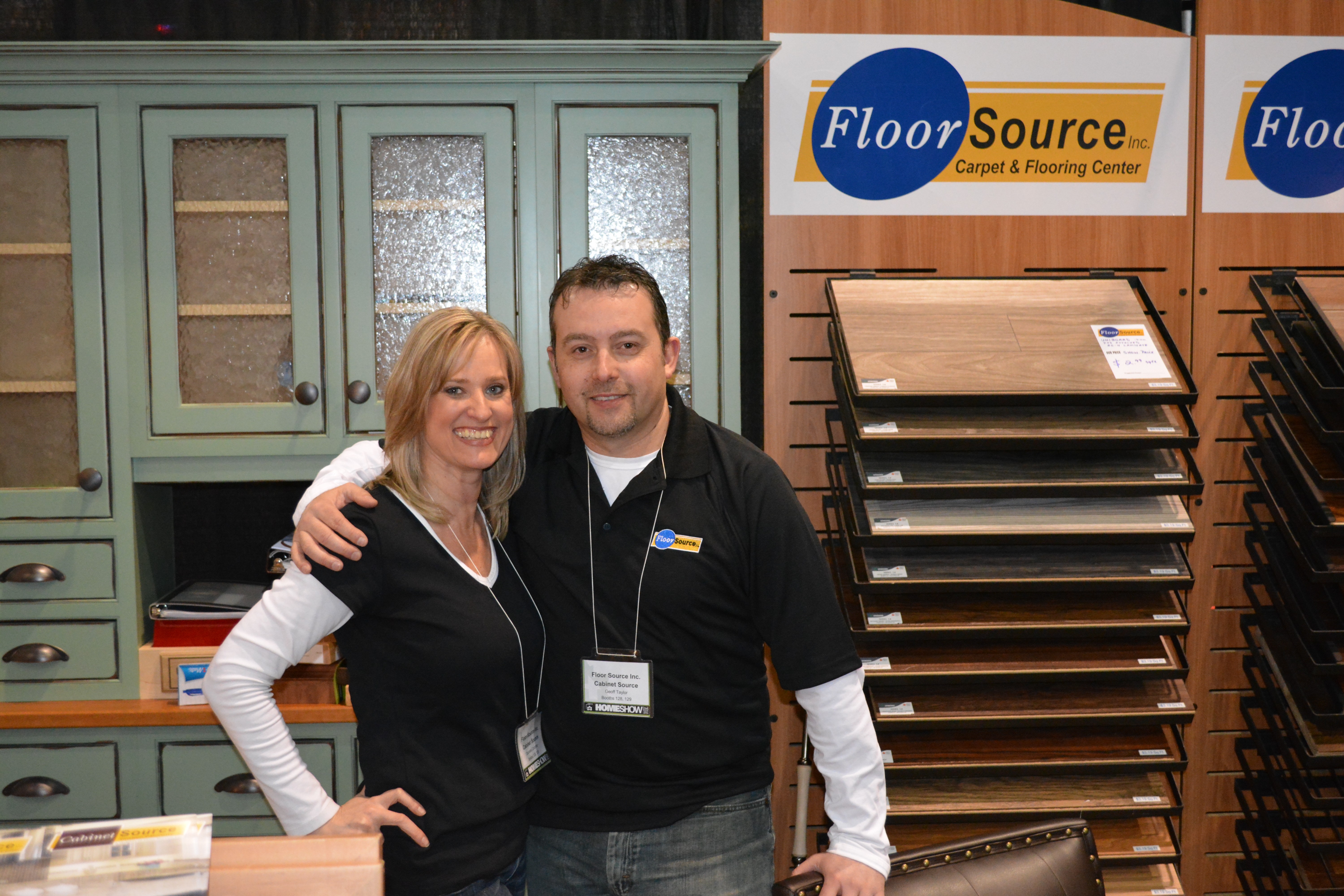
So Corcoran has taken a step back from the day-to-day operations of the store. She now spends a lot more time at home, where she has embarked upon a new marketing push for her company. She says, “We’re trying more things online. We’re doing social marketing. We’re also doing local trade shows, and have had good feedback as a result.”
CONNECTING IS KEY
According to Romano’s philosophy of marketing a flooring business, Corcoran might be on the right track. He says, “You need to do the online stuff, search-engine optimization and so on, simply because it’s cheaper than traditional marketing avenues such as radio and yellow pages. That’s how you can get people to notice you. However, you also need the old-fashioned approach: face-to-face contact.”
Dave Grulke is executive director of the U.S.-based Cabinet Makers Association. He was at this year’s Surfaces trade show in Las Vegas where he offered a training seminar to flooring professionals, including such Canadians as Corcoran, on the topic of marketing and advertising. Grulke has a background in advertising, and he owns his own remodelling business, where he learned small-business marketing in the construction sector first-hand.
Grulke also believes in the power of personal contact. “What are you doing with the leads you get?” he asks. “Are you calling these people personally? Better yet, are you taking them out to breakfast or to lunch? Go over their business with a box of donuts. Something. You’ll find you’ll get a much better response from people when you have more personal contact with them.”
For Romano, this type of personal contact is very important. In fact, for flooring retailers, he suggests the hiring of someone specifically to do the job. He says, “We call this person a hunter. This is not a salesman. It’s someone whose sole job is to go out into the community, talk to people, and assess within a very short time if someone is a prospect.”
According to Romano, not everyone can do the job of a hunter. It takes a specific type of personality, one that often comes into conflict with other staff, including salespeople. Romano says, “A hunter isn’t sweet. They’re not cautious, but they can inspire. It’s what makes them appealing to potential prospects. On the other hand, they don’t care if they offend co-workers. So, they can be difficult, but worth it if it’s the right person.”
For Corcoran, she’s willing to pay for people that produce. “For example,” she says, “I will gladly pay a salesman $100,000 if he can bring me $1 million in business. The problem is that they often want the salary without providing the results. I’ve also looked for marketing specialists, but they’re very hard to find and, when you do find them, they’re hard to afford.”
Romano believes paying the right person for the job is worth it. “What if one person can bring in three or four million in sales? That’s what a qualified person can do,” he says. “Other forms of marketing can be very expensive. For example, most flooring retailers would have to mortgage their houses to afford a TV ad — just at a local station. Those kinds of expenditures are unnecessary.”
For Grulke, marketing success comes from understanding your target market. He says, “You shouldn’t let your personal feelings get in the way of good marketing. For example, if you hate country music, but your customers love it, where should you be advertising? Probably a country music station.”
Romano and his team have extensive experience specifically in the flooring sector. He believes a certain culture prevails within the industry that can be counterproductive. He says, “To be honest, sometimes people just don’t want to listen to anyone else. They think they know marketing, for example, but they keep doing the same things, and they’re barely paying themselves a salary. Something has to give.”
It’s an assessment Corcoran can relate to. She says, “I’ll be the first one to admit that we’ve been stubborn; that we’re late to the game to embrace a more open-minded approach to marketing. But now I’m willing to listen. I’m looking for answers.”
Finding those answers can be a challenge. The fact is that marketing expertise that is specific to the flooring sector is hard to come by. Flooring involves retail, construction, warehousing, transportation, not to mention competition with the big box stores and variations in the housing market. It can all be somewhat overwhelming for small family businesses.
SPECIALIZE, TARGET, QUALIFY
For Romano, one crucial piece of strategy in order to navigate the maze is to be unapologetic about competing with the box stores. He says, “You’re not going to compete on price, so don’t even try it. Maybe 10 percent of your products should be something to compete with Home Depot. The rest should be about providing high-quality products and services to upper-middle income consumers, or higher.”
Romano continues, “In other words, become a specialty retailer, a place where discriminating consumers come for products and services. You want to target people that truly care about what goes into their homes, versus others that just buy on price and really don’t care that much about how good, or bad, it really looks.”
However, Romano is quick to reject using the term value when serving the customer. He says, “What does that term really mean? It means something different for every person. The question flooring retailers should be asking themselves is this: On what product can I make the most money per square foot? This is a tangible measure of profitability. The term value isn’t.”
Grulke is also an advocate of avoiding low-end buyers mostly interested in price. He says, “Are you doing yourself any favours by simply cutting prices to get a customer? Is this really a customer you want in the first place? As hard as it is to resist the temptation of cutting prices, what you really want to do is court the customer that is willing to pay a premium for good product and service. That’s how you can compete.”
The service component should not be overlooked, according to Grulke. He says, “Think about it. Your customers will be inviting contractors hired by your company to come into their homes for extended periods of time. Your customers don’t want dirty strangers in their homes. Etiquette and service are important. Installers should be dressed professionally and act professionally. Your customers will appreciate it, and word-of-mouth referrals will increase.”
MIND THE DETAILS
Regarding the seasonal nature of the flooring sector, Corcoran’s experience is to go with the flow. She says, “We have invested in advertising during slow seasons, and it just doesn’t help. On the other hand, when it’s busy, and we advertise, it gets even busier. Based on our experience, we try to match the business cycle, instead of fighting it.”
Romano has some additional marketing tips that might help make a difference. He says, “Something as simple as a car wrap, where you put your company logo and graphics on your car, can help promote your brand. Clothes hangers can also help. When you’re installing on a site, put some hangers with your logo in a closet. These little things can help, and they’re very simple and affordable.”
Whether it’s small investments like these, or larger investments in people or advertising platforms, keys to success in flooring marketing involve the ability to learn, listen and adapt. Standing out with high quality products, exceptional service and the right personnel will help attract new business and sustain business growth.